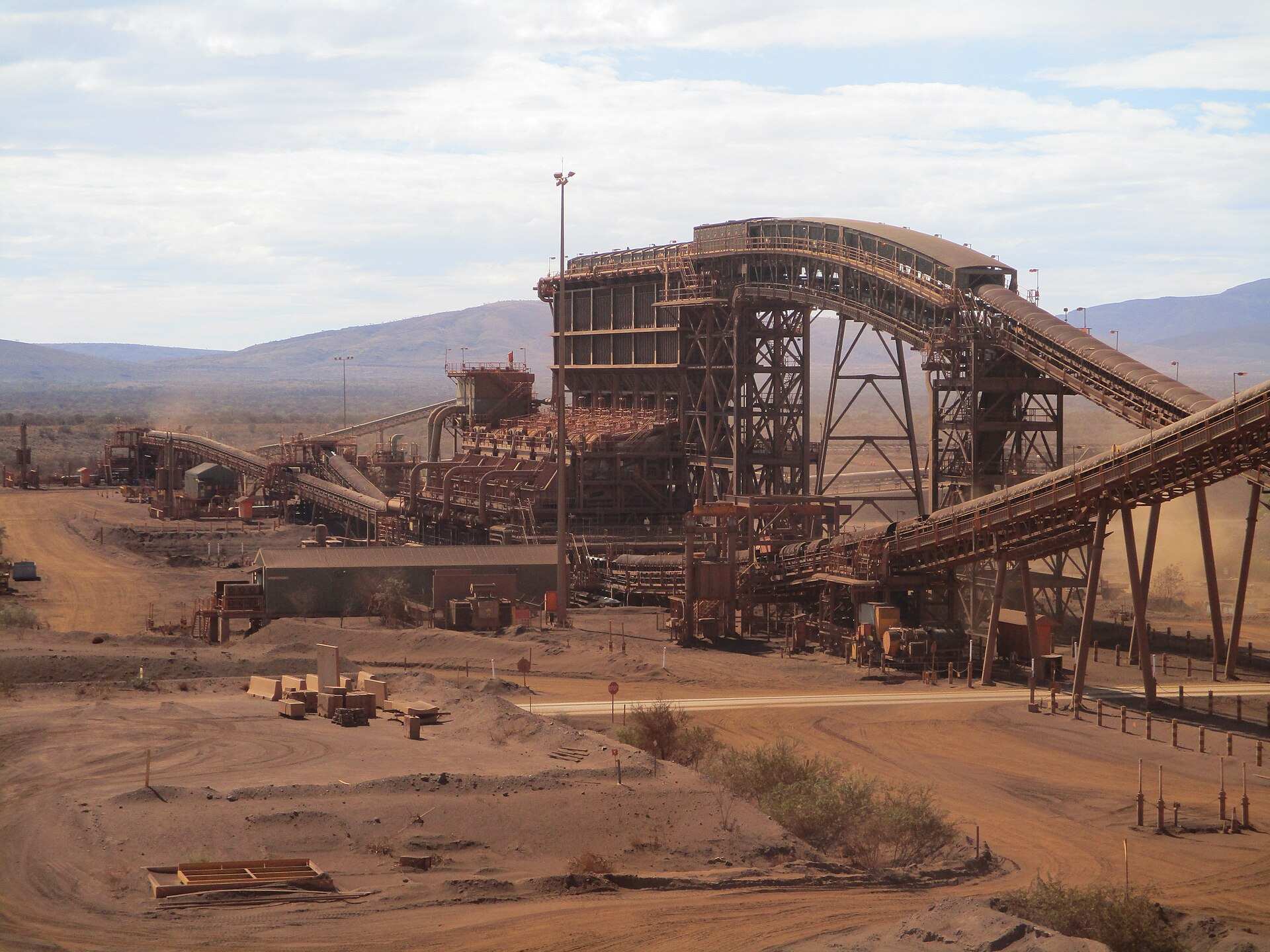
What is FIFO? Fly-in fly-out work explained
In short
- FIFO means fly-in fly-out: you fly to a remote work site, live there for a set number of days, then fly home for a set number of days off.
- Your flights, room and meals on site are usually provided. That, plus a fixed roster of days on and off, is what makes it FIFO.
- Most FIFO work is in mining, oil and gas, and resources construction, mainly in Western Australia and Queensland, but the jobs range from cleaners to engineers.
- It pays well and gives you long blocks at home, but long shifts, time away and camp life are hard. Know what you’re signing up for.
Searching for FIFO in accounting or computing? There it means “first in, first out”, which is a different thing. This guide is about the work arrangement.
What does FIFO mean?
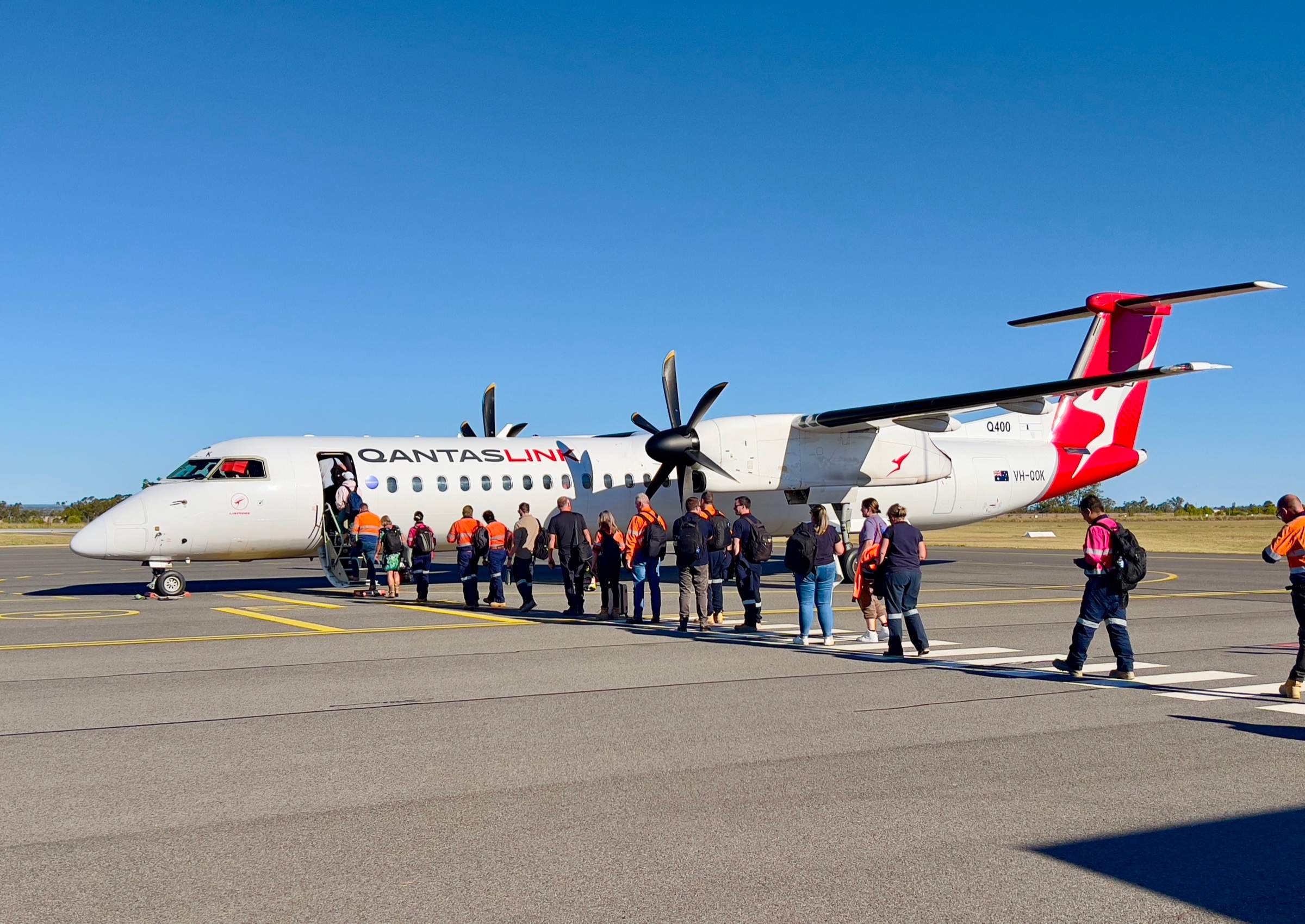
FIFO stands for fly-in fly-out. You live in one place, often a city, and fly to a work site that's too far away to travel to every day. You work a block of days there, living in accommodation the employer provides, then fly home for a block of days off. Then you do it again.
The name describes the two flights of every swing: you fly in to the mine at the start, and you fly out of the mine at the end. That's why the last day is called fly-out day, and why you'll hear crews counting down to it all swing.
Parliament's 2013 inquiry into FIFO described it as long-distance commuting on a regular basis, to a place so far from home that workers can't get back to their permanent residence at the end of a shift.1 It also set out what separates FIFO from other jobs that take you away from home:2
- A fixed roster: a set number of days on site, then a set number of days at home.
- Food and accommodation provided at or near the site, for the worker but not their family.
- Transport provided to and from site.
So a backpacker who takes a seasonal farm job far from home isn't doing FIFO, and neither is someone with a long daily drive. A cleaner who flies from Perth to a Pilbara mine camp every second Tuesday for a two-week swing is.
What do DIDO, BIBO and SISO mean?
They're the same arrangement with a different way of getting there. The 2013 inquiry listed all four, and used "FIFO" as shorthand for all of them.1
| Term | Stands for | How you get to work |
|---|---|---|
| FIFO | Fly-in fly-out | A flight, often a charter, from a city or regional airport to the site's airstrip or the nearest town. |
| DIDO | Drive-in drive-out | You drive yourself, usually a few hours. The inquiry found it becoming more common, particularly in Queensland and New South Wales. |
| BIBO | Bus-in bus-out | A company bus from a regional town to site. |
| SISO | Ship-in ship-out | A boat, for offshore work such as oil and gas platforms. |
You'll also hear "residential": workers who live in the mining town and go home after every shift, with no camp and no flights.
How does fly-in fly-out work, step by step?
The details change between employers and sites. The shape of a swing is much the same everywhere. Common
- Before you go Your employer books your flight and sends you the details, including your bag allowance. Most people wear their uniform on the plane.
- Fly-in day A flight, often a charter, to the site's airstrip or a nearby town, then a bus to site or camp. It goes one of a few ways: Varies
- An early flight and straight to work the same day.
- A midday flight, settle into camp, and start work the next morning.
- Starting on nights: fly in in the morning, sleep through the day, then start your first night shift that evening.
- Days on site Long shifts, commonly around 12 hours, every day of the swing, weekends included. You eat in the camp mess and sleep in your own room in the camp.
- Day or night shift Some rosters switch you to nights partway through. On a shutdown, for example, you might work the pre-shut week on days, have a stand-down day to reset your sleep, then go onto nights for the shutdown.
- Fly-out day On a roster position it's usually easy-going: often a shorter day and a clean-up so the next crew walks into a good setup, then the flight home. On a shutdown it varies a lot. See below.
- R&R Your days off at home, the "rest and recreation" part of the roster. Then you fly back and start again.
Example: one swing on a 2/1 roster position
Fly in on a Wednesday morning and start work after lunch. Work 14 days straight, roughly 5:30am to 5:30pm, with a smoko and a crib break. Fly home on the second Tuesday after a half day and a clean-up, then spend 7 days at home before the next flight. Over a year that adds up to about 17 swings, and around 120 days at home not counting travel days.
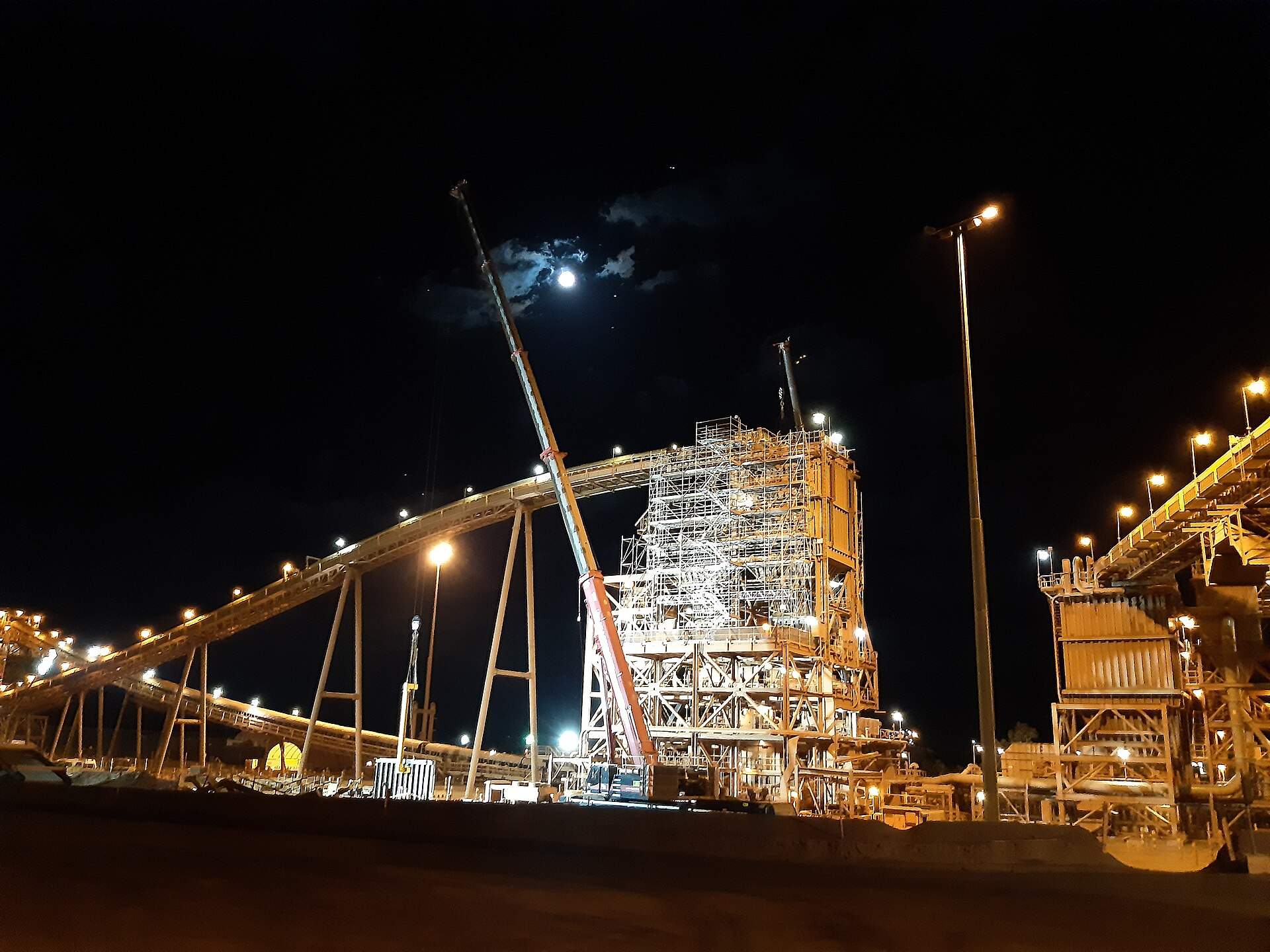
Shutdowns are different
A shutdown is a planned stop of part of a plant so crews can do maintenance while the machines are off. They bring in a lot of extra people for a few weeks, and the end of the swing doesn't always go to plan. Varies
- The last day can be the busiest. If the shutdown is behind schedule, you can have heaps of jobs to finish before you fly out.
- Shutdowns can be extended. If the work runs late, workers are often asked to stay on longer, if they can.
- Demob crews stay on after it ends. "Demob" (demobilisation) means packing up and taking down what's left once the plant is running again. Scaffolders, for example, take down scaffolds that weren't blocking the machines from restarting. For contractors, demob crews sometimes drive the company trucks and utes to the next site or back to the company's nearest workshop or yard.
So if you're booked on a shutdown, keep a few days free after your planned fly-out date in case you're asked to stay.
Every roster is written as days (or weeks) on, then off: 2/1 is two weeks on and one off, 8/6 is eight days on and six off. Which one you get comes with the job. FIFO rosters explained goes through each one and what a full day looks like.
What does the employer usually provide?
Transport, food and accommodation are part of the definition of FIFO.2 In practice that usually means:
- Flights to and from site, booked by the employer. Common
- A room in camp: your own room, cleaned by camp staff, almost always with your own bathroom. On some sites two lockable rooms share a bathroom between them. A few sites have the toilets and showers in a separate block, and then you're usually paid extra for each day you stay there. Varies
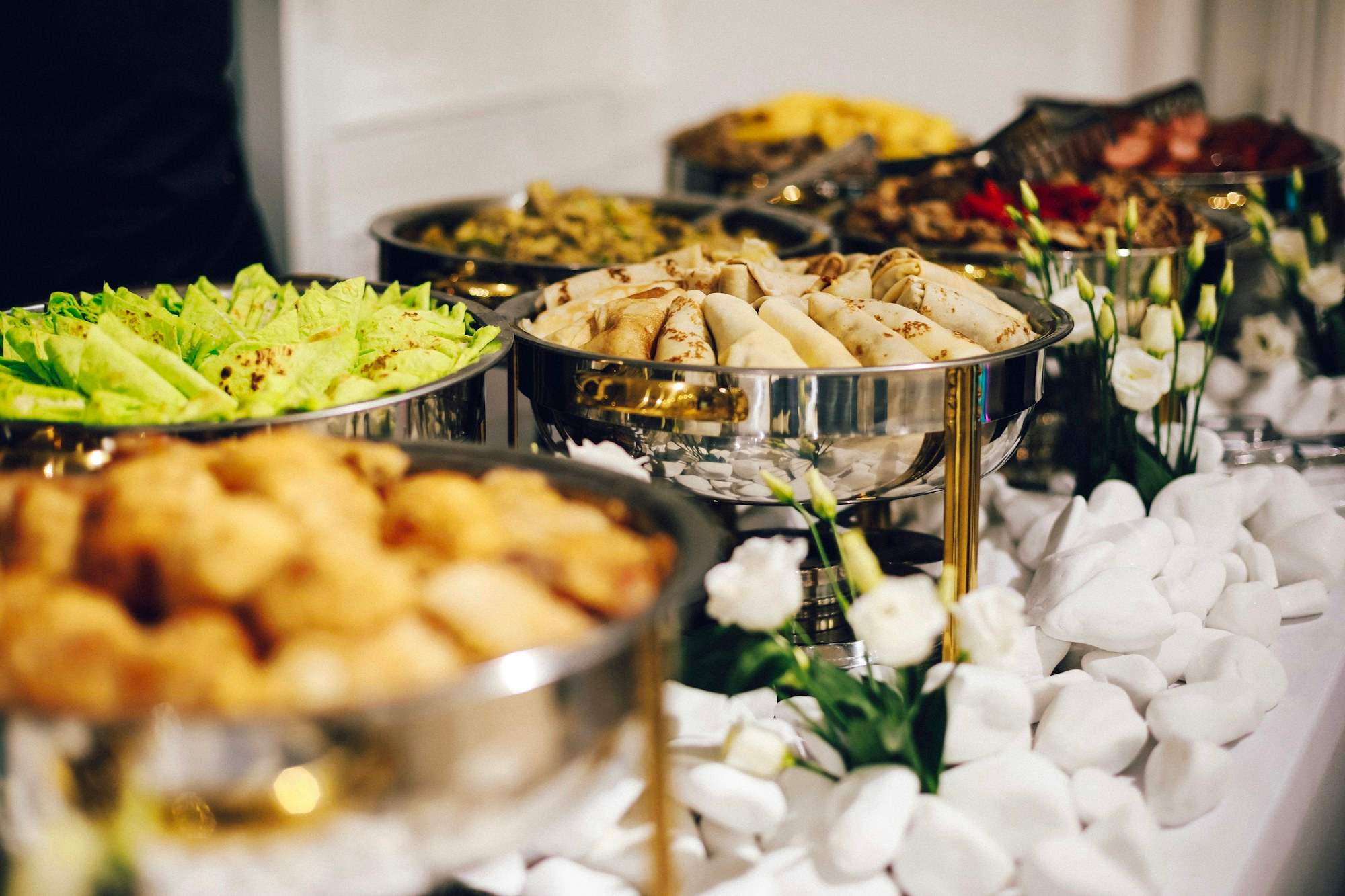
- Meals from the camp mess: hot breakfast and dinner. For your shift you pack your own crib from a big spread of salads, boiled eggs, wraps, sandwiches and more, and there are usually pre-packed lunch options too. Common
- Uniform and safety gear (PPE): in most of Australia the business directing your work has to supply the PPE your job needs. See what to pack. Law
What usually isn't covered: getting to the departure airport, and anything you buy at the camp shop or bar. Whether travel days are paid depends on your agreement.
Which industries and jobs use FIFO?
FIFO is mostly tied to the resources industry, because that's where the remote work is. The 2013 inquiry also noted it's used to bring services to remote communities, for example doctors and specialists flying in to small towns.1
- Mining: iron ore, gold, coal, lithium, nickel and more. By far the biggest user.
- Oil and gas: onshore plants and offshore platforms.
- Resources construction: building and expanding mines, plants and ports. WA's FIFO code of practice covers both the resources and construction sectors.4
- Remote services: health, policing and other services delivered to remote towns.
The jobs on a FIFO site go well beyond driving trucks:
| Area | Examples of roles | Experience usually needed |
|---|---|---|
| Camp and hospitality | Housekeeper, cleaner, kitchen hand, cook, wet mess (bar) attendant, utility | Often entry level; bar work needs an RSA |
| Site support | Utility worker, labourer, trade assistant, storeperson, bus driver | Entry level to some experience |
| Shutdowns and maintenance | Scaffolder, rigger, fitter, boilermaker, electrician, trade assistant | Trade or tickets, except TA and labourer roles |
| Operations | Haul truck driver, plant operator, drillers offsider | Trainee roles exist but are competitive |
| Professional | Nurse, paramedic, engineer, geologist, safety advisor | Qualification required |
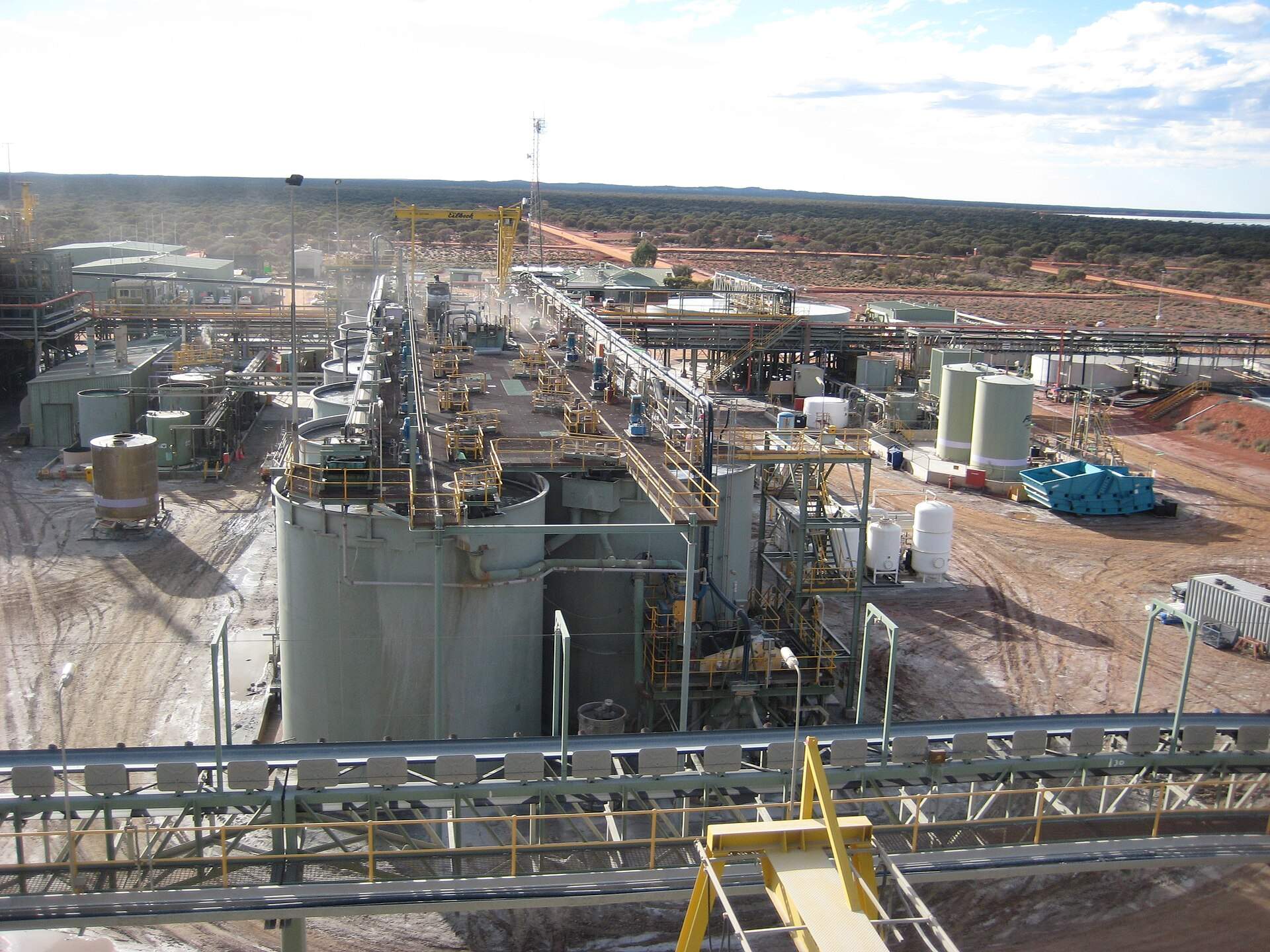
Where is FIFO work in Australia?
Wherever the work is remote. Mine safety is regulated by each state and territory, so the rules differ a little depending on where the site is.
- Western Australia has the most FIFO work: the Pilbara (iron ore), the Goldfields around Kalgoorlie (gold and nickel), and the Mid West and South West. Most WA FIFO flights leave from Perth.
- Queensland: the Bowen Basin coal mines and the Surat Basin gas fields, often FIFO or DIDO from Brisbane and regional centres. Mount Isa and the North West are further inland.
- Northern Territory and South Australia: remote mines and gas projects, often flown out of Darwin and Adelaide.
- New South Wales: places like the Hunter Valley and Broken Hill. Many of these sites are DIDO or residential rather than FIFO.
You don't have to live in the state you work in. Interstate FIFO, for example living in Melbourne or Brisbane and working in WA, is common. Whether the employer pays for the interstate flight varies.
How many people work FIFO?
Nobody counts it exactly. The 2013 federal inquiry found "very little authoritative national data" on FIFO.2 The best figures available:
- About 60,000 FIFO workers in Western Australia: the best estimate the 2015 WA parliamentary inquiry could find. It noted how hard the number is to pin down.3
- A 2005 survey of WA mining: 47% of all mining employees worked FIFO. Among contractors it was 77.7%, compared with 37.5% of people employed directly by the mining companies.2
The survey is old, but the pattern still matters if you're looking for work: contractors are where much of the FIFO work is. That includes maintenance, shutdown, camp services and labour-hire companies, not just the big mining names.
Why do companies use FIFO instead of building towns?
Until the 1980s, many mining companies built whole towns for their workers and families. The 2013 inquiry listed why that shifted to FIFO:1,2
- Building and running a town in a remote place is expensive, and so is closing it when the mine runs out.
- Many projects don't last long enough to justify a town, because the deposit is small or the market changes.
- Approvals for new towns are long and complex.
- Many workers would rather live in a city with more opportunities for their family.
- From 1986, company housing was taxed as a fringe benefit.
- Skilled workers are hard to find, and FIFO lets companies hire from anywhere.
FIFO began in Australia in the 1960s, flying workers to oil rigs, and was common across remote resources work by the 1980s.2
What is FIFO life actually like?
It suits some people very well and others not at all. Most people know which they are within a few swings.
| The good | The hard |
|---|---|
| Long blocks of time at home, with no commute on your days off | Weeks away from family, partners and friends; you miss birthdays and events |
| Room and meals provided on site, so you spend very little while away | Long shifts, every day of the swing, and fatigue that builds towards the end |
| Pay is generally higher than the same role in the city | Camp rules: alcohol limits, set mess times, little privacy and limited freedom off shift |
| Clear routine: work, eat, sleep, gym, repeat | Night shift, early flights and switching back to normal life at home |
| A way into a big industry, even without experience | Mental health: it can be isolating, especially on long rosters |
The mental health side is real. The 2015 WA inquiry found research suggesting around 30% of the FIFO workforce may have mental health problems, compared with a national average of 20%.3 WA now has a code of practice for mentally healthy FIFO workplaces.4 Most sites run employee assistance programs. If things get heavy, tell your supervisor or call Lifeline on 13 11 14, any time.6
Camp life has its own rhythm: the mess, the wet mess (bar), crib, smoko and early nights. The free lesson FIFO camp life covers the unwritten rules.
Is FIFO worth it?
Before you apply, ask yourself honestly:
- Can you be away for the length of the roster? Two weeks is very different from four. Look at the roster in the ad before you apply.
- How do you handle long days, early starts and fatigue? A 12-hour shift seven days in a row is the norm, not a bad week.
- What does it do to the people at home? Partners and kids do the swing too, from the other end.
- What's the money for? People who go in with a clear goal, like a deposit, paying off debt or a year of travel, tend to cope better than people who drift.
- Are you comfortable with rules? Drug and alcohol testing, fitness for work and strict safety procedures are part of every site.
If most of your answers are "yes, I can handle that", it's worth a go. Many people start on a single shutdown or a short contract to find out.
Who can do FIFO? Backpackers, foreigners and first-timers
- You need the right to work in Australia. Australians, New Zealanders and people on a visa with work rights can all do FIFO work.
- On a working holiday visa, the general rule is a maximum of 6 months with one employer, unless an exception applies. That matters because many FIFO employers want people for longer.5 Our free guide explains the visa rules. We can't give personal visa advice.
- Pre-employment checks are standard: a medical, a drug and alcohol test, and often a police check. Common
- No experience? Start with camp, cleaning, utility, labouring and shutdown roles. Entry-level jobs get a lot of applicants, and nobody can promise you a start date.
For the full picture on getting your first job, including the checks and tickets employers ask for and how to spot scams, read how to get a FIFO job with no experience.
FIFO words you'll hear straight away
- Swing
- One roster cycle, or just your days on site ("I'm on swing").
- Fly-in day / fly-out day
- The day you fly into the mine at the start of a swing, and the day you fly out of it to go home. Fly-out day is the one everyone looks forward to.
- R&R
- Rest and recreation: your days off at home.
- Camp / village
- Where you live on site: rooms, the mess, a gym, the wet mess.
- Donga
- A transportable building used as a room or site office. Older camps were made of dongas.
- Crib
- Your meal break on shift, or the food you take with you.
- Smoko
- A short break.
- Shutdown
- A planned maintenance period when part of a plant stops and extra crews fly in for a few weeks.
- Prestart
- The crew meeting at the start of each shift: jobs, hazards, who's doing what.
- VOC
- Verification of competency: a check that you can safely do a task or run a machine on that particular site, often done on your first day before you operate anything.
- Demob
- Demobilisation: packing up and taking down gear after a shutdown or job.
Questions
What does FIFO stand for?
In jobs, FIFO stands for fly-in fly-out: you fly to a remote work site, live there for a block of days, then fly home for a block of days off. In accounting and computing, FIFO means “first in, first out”, which is a different thing.
What is a FIFO worker?
Someone who lives in one place and flies to a remote site to work a set roster, staying in employer-provided accommodation while on site. Most FIFO workers are in mining, oil and gas, and resources construction, but the roles range from cleaners and cooks to tradespeople, operators, nurses and engineers.
What is the difference between FIFO and DIDO?
Only the way you get there. FIFO workers fly to site; DIDO (drive-in drive-out) workers drive. Parliament’s 2013 report found DIDO is becoming more common, particularly in Queensland and New South Wales, where many mines are within driving distance of larger towns.
Do FIFO workers pay for food and accommodation?
Usually not. Providing food and accommodation at or near the site, plus transport, is part of what defines FIFO. Your room and meals on swing are normally covered by the employer. Check your contract for the details, such as what happens on days you’re on site but not working.
How long is a FIFO swing?
It depends on the roster. Common rosters run from 8 days on and 6 off, through 2 weeks on and 1 off, to even-time rosters like 7/7. Shutdown work is often a block of around two weeks. Our rosters guide explains each one.
Is FIFO only mining?
No. Mining is the biggest user, but FIFO is also used in oil and gas, building and maintaining resource projects, and to deliver services such as medical care to small remote communities.
Can you do FIFO with no experience?
Yes, but it’s competitive. People usually start in camp hospitality, cleaning, utility or labouring roles, or on shutdown crews. You’ll need the right to work in Australia and to pass a pre-employment medical and drug and alcohol test.
Is FIFO bad for your mental health?
It can be hard. A 2015 WA parliamentary inquiry found research suggesting around 30% of the FIFO workforce may have mental health problems, compared with a national average of 20%. Rosters, camp life and time away all play a part. Support is available, and you can call Lifeline on 13 11 14 at any time.
Sources
- Parliament of Australia, House of Representatives Standing Committee on Regional Australia: “Cancer of the bush or salvation for our cities? Fly-in, fly-out and drive-in, drive-out workforce practices in Regional Australia” (February 2013), chapter 1, paras 1.27–1.29
- Same report, chapter 2: definition (2.19), history (2.20), why companies use FIFO (2.21), lack of national data and the 2005 WA survey (2.31–2.32)
- Parliament of Western Australia, Education and Health Standing Committee: “The impact of FIFO work practices on mental health” (Report 5, June 2015): estimate of about 60,000 FIFO workers in WA, and Finding 4
- WA Government: Code of practice, mentally healthy workplaces for FIFO workers in the resources and construction sectors (launched April 2019)
- Department of Home Affairs: Working Holiday visa (subclass 417), 6-month work limitation
- Lifeline Australia: 13 11 14, 24-hour crisis support
General information only. Rosters, pay and rules depend on your employer, your agreement and your site. Your contract and site induction come first.